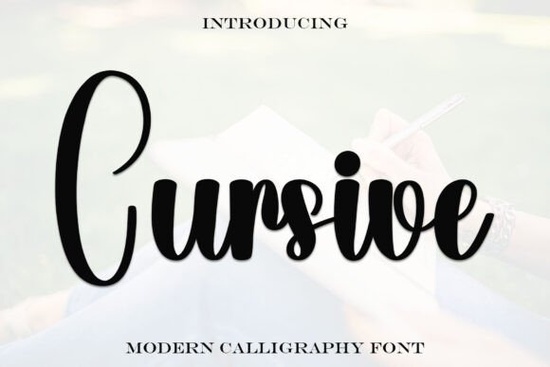
If you are looking for a typeface that balances old-school elegance with modern readability, a well-crafted Cursive Font can handle that balance without feeling dated. Hand-drawn lettering has made a strong return across branding, packaging, and digital artwork, and finding one that stays consistent at different sizes saves hours of trial and error. The key is choosing a script that maintains clean baseline alignment while keeping natural brush-like strokes that feel human rather than overly rigid.
Why do contemporary projects lean toward handwritten scripts today?
Designers and small business owners often use calligraphy-inspired typography when they want to communicate warmth and approachability. Unlike stark geometric sans serifs, flowing letters create an immediate emotional connection. You will notice this style frequently on boutique wedding invitations, artisanal coffee labels, and custom apparel. The contemporary atmosphere mentioned in the product description works well because the strokes are refined but still carry the slight irregularities that mimic real pen pressure. When pairing this style with other elements, it is usually best to keep the surrounding text clean and minimal so the script remains the focal point.
Which creative fields benefit most from elegant handwriting styles?
This type of typography fits naturally into several commercial and hobbyist workflows:
- Print-on-demand sellers use it for quote-based t-shirts, tote bags, and phone cases that need to stand out in a crowded marketplace.
- Wedding planners and invitation designers rely on script lettering for place cards, save-the-dates, and menu layouts.
- Crafters working with cutting machines prefer well-kerned handwritten styles that cut cleanly without leaving messy overlaps or tiny disconnected pieces.
- Brand consultants apply it to logo submarks and packaging tags to add a personal, hand-finished touch.
If your current toolkit feels limited, exploring similar styles like Angela Heart or the playful strokes of Hello Rainbow Duo can give you more pairing options for headers and accents. For projects that need a softer, sketch-like quality, Pencil Project offers a relaxed alternative that pairs well with structured layouts.
What technical details should you check before using a script commercially?
Many beginners skip the technical review stage and run into printing issues later. Always verify the included file formats first. OTF and TTF files work best for standard desktop publishing, while web-ready versions require proper font-face licensing. Check the kerning tables and ligature options; a well-constructed script will include alternate glyphs that prevent awkward overlaps between common letter combinations. You should also review the license terms carefully. Most commercial licenses allow print-on-demand sales and physical product creation, but digital resale of the font files themselves is almost always restricted. For reference on proper typeface licensing standards, you can review guidelines for Cursive Font usage and commercial rights.
If you want to experiment with different weights and stylistic sets, the Hello Honey collection provides a solid comparison for how varying stroke thickness changes readability at smaller scales. When you need multiple script variations in one package, the Signature Script Bundle gives you flexibility without purchasing individual typefaces one by one.
How do you keep script lettering legible on busy backgrounds?
Legibility drops quickly when flowing letters compete with heavy textures, photographs, or busy patterns. The simplest fix is to add a subtle drop shadow or a thin solid outline behind the text layer. Another reliable method is placing a low-opacity shape or gradient behind the lettering to create visual separation. Always test your design at actual print size. What looks clear on a large monitor can blur into unreadable lines when printed on a small label or stamped on fabric. Adjust the tracking slightly if the letters feel too cramped, but avoid stretching the typeface manually, as that distorts the stroke weight.
What is the next step after choosing your typeface?
Once you have downloaded your files, organize them in a dedicated typography folder before starting any project. Install the font, open your design program, and test at least three different text sizes. Print a quick proof if possible, or use your phone camera to view the layout from a distance. This quick test catches spacing issues early. Keep a separate folder for client-ready exports and always keep the original editable files backed up in a cloud drive or external hard drive.
Here is a quick checklist to run through before finalizing your next script-based design:
- Check licensing terms to confirm commercial use covers your specific product category.
- Test legibility by viewing the text at actual output size and on mobile screens.
- Pair with a neutral body font to maintain visual hierarchy and prevent design fatigue.
- Verify cut paths if sending to vinyl cutters or laser engravers to ensure smooth edges.
- Save layered working files so you can adjust colors and spacing later without rebuilding the layout.
Taking these small steps upfront prevents costly reprinting and keeps your workflow smooth from concept to final delivery.
Try It Free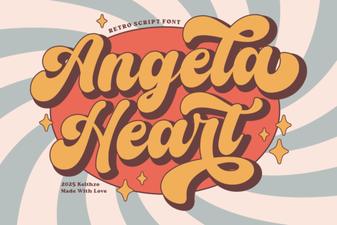 Angela Heart Font for Beautiful Crafting Projects
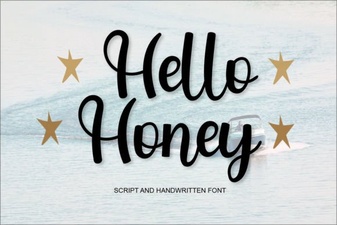 Hello Honey Font: Creative Projects and Uses
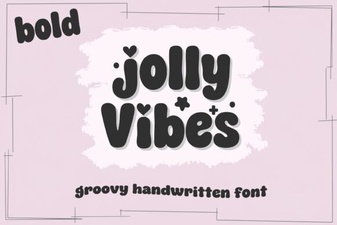 Design with Jolly Vibes Bold Font Creativity
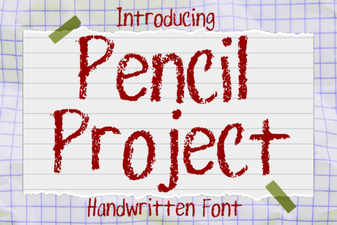 Unlock Creativity with Pencil Project Fonts
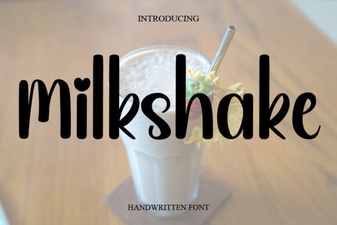 Designing with the Friendly Milkshake Font
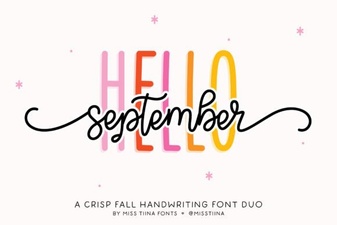 Perfect Duo Font for Your Hello September Designs