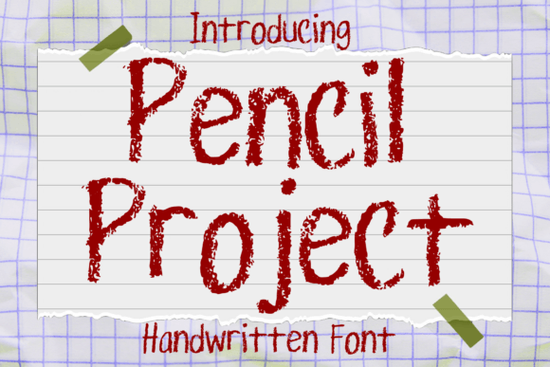
If you are looking for a typography option that adds a quick, sketchy feel to your layouts, Pencil Project Font delivers exactly that casual, hand-drawn look. It mimics real graphite strokes, crayon marks, or chalkboard writing without the messy setup. This makes it a reliable choice for anyone who needs a friendly, approachable style for everyday creative work. Designers, crafters, and print-on-demand sellers often reach for this kind of typeface when they want their projects to feel personal rather than corporate.
What makes this typeface suitable for handmade and casual projects?
The main appeal lies in the subtle texture baked directly into each letterform. You do not need to spend hours applying grunge brushes or overlaying paper scans to get that organic finish. The strokes vary naturally in thickness, and the edges carry slight roughness that catches the light on printed materials. When you apply it to stickers, greeting cards, or packaging labels, the result looks intentionally handcrafted. Small business owners also use it for menu boards and shop signage because it communicates warmth and approachability. If your audience values authenticity, this handwritten style bridges the gap between polished typography and everyday sketching.
How do you balance it with cleaner typefaces in a layout?
Because the characters carry so much visual weight and texture, they work best when paired with a simple, highly legible sans serif or serif companion. You can place a clean geometric font for body copy while letting this display style carry your main headlines. Many creators mix it with flowing scripts when they want contrast without visual clutter. For example, if you are designing a wedding invitation set, you might combine a structured serif for details with a soft script like Mila Love to handle names or accents. When working on everyday branding materials, a straightforward cursive alternative such as a versatile cursive option often sits nicely beneath bolder headers. The key is to give the textured letters breathing room. Avoid tracking them too tightly, and let the natural gaps between characters remain visible.
What should crafters and POD sellers know before using it commercially?
Print-on-demand workflows require reliable file handling, and this typeface typically comes in standard formats like OTF, TTF, and sometimes web-optimized versions. You can drop it directly into Canva, Illustrator, Silhouette Studio, or Cricut Design Space without extra conversion steps. Always check the included license terms before uploading your finished files to marketplaces. Most commercial licenses cover physical goods like t-shirts, mugs, and tote bags, but you will want to verify whether extended licensing is required for large print runs or template resale. Keeping a clean folder structure for your typography assets saves hours when deadlines approach. If you ever need a chunkier, more energetic companion for promotional flyers, a heavier display option like this bold script variant pairs surprisingly well with sketched styles. For seasonal craft projects, a playful companion such as this character-driven script adds a lighthearted rhythm to holiday tags and stickers. When you are building rustic packaging mockups, pairing this graphite texture with a grounded alternative like Homegrown creates a cohesive, earthy feel that resonates with eco-conscious buyers.
Where can you preview similar textures before purchasing?
Visual consistency matters when you are testing how a typeface behaves on different materials. You can upload sample mockups with plain text, then apply the letterspacing and color variations to see how the edges interact with fabric, paper, or digital screens. Design communities and typography libraries often host side-by-side previews that show how the strokes scale at small sizes. If you want to explore how this specific style looks across different creative platforms, you can view Pencil Project Font on the creator’s marketplace page to check sample images, supported formats, and user previews. Seeing the glyphs in context helps you decide whether the roughness level matches your brand voice before you start designing.
Quick setup checklist before exporting your designs:
- Test the typeface at your smallest intended size to confirm the texture remains readable.
- Adjust tracking to prevent overlapping strokes, especially on letters with long ascenders or descenders.
- Choose high-contrast background colors so the graphite effect stands out without washing out.
- Convert text to outlines only after saving an editable version in your working software.
- Print a physical proof on your final material to catch how the ink interacts with the textured edges.
Start with a simple headline, keep your supporting type minimal, and let the sketched style do the visual talking.
Learn More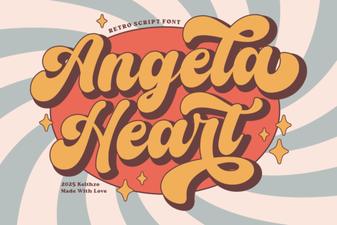 Angela Heart Font for Beautiful Crafting Projects
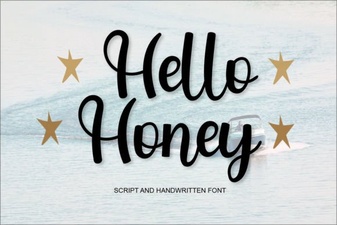 Hello Honey Font: Creative Projects and Uses
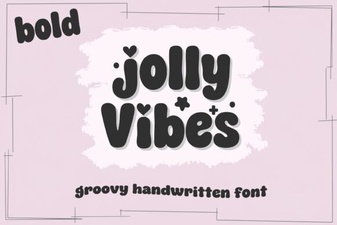 Design with Jolly Vibes Bold Font Creativity
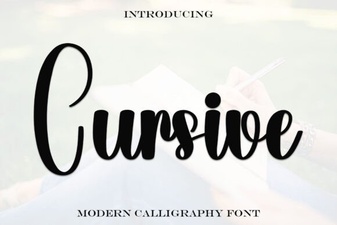 Creative Elegance: Using Cursive Fonts in Design
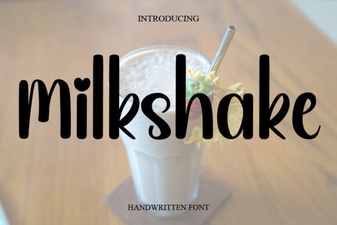 Designing with the Friendly Milkshake Font
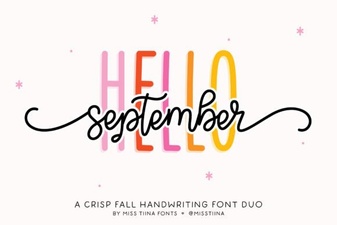 Perfect Duo Font for Your Hello September Designs