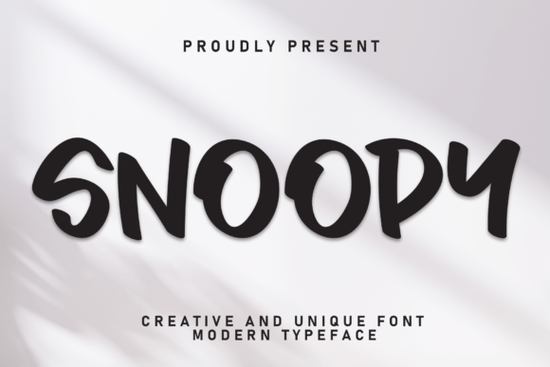
What types of projects work best with this handwritten style?
This typeface shines in layouts that rely on personal connection. Wedding invitations fit naturally, especially for couples who prefer relaxed aesthetics over strict tradition. It also pairs beautifully with handmade greeting cards, baby shower announcements, and small batch product labels. Printable planners and digital templates gain instant charm when this script highlights key headers.
For print-on-demand shops, try it on tote bags, ceramic mugs, or nursery wall art. Rounded strokes and open counters keep it legible at moderate sizes. Layer it over watercolor textures or muted pastels so the letters can breathe. When exploring a comparable casual script, you will notice how consistent stroke weights maintain cohesion across different products.
How do you pair it with other typefaces without creating visual clutter?
Mixing scripts with sans serif fonts is straightforward when you give handwriting room to stand alone. Reserve this font for short phrases or standalone quotes, then balance it with a clean body font. Avoid busy photographs or heavy patterns, since playful curves quickly get lost in the noise.
When building brand assets, test it alongside geometric or humanist sans serifs. Many creators experiment with versatile glyph sets to add decorative support to the main lettering. If you need a structured baseline, clean display options anchor tighter grid layouts effectively.
For social graphics, keep copy under ten words. Short text stays sharp on mobile screens. Adjust tracking slightly or swap to a soft neutral for better contrast. Comparing it alongside warm handwritten alternatives or playful duo styles helps visualize seasonal themes quickly.
What should small business owners know about commercial licensing?
Always review usage terms before launching a shop or client project. Most handwritten display fonts include a standard commercial license covering physical goods and digital templates, though some creators restrict logo registration or font reselling.
Store your OTF or TTF files in a dedicated folder with regular backups. Convert text to outlines before sending print files to prevent substitution errors. If you cut vinyl, run a small sample to check how rounded terminals react to your blade depth. You can study Snoopy Font to understand how historical handwriting shapes modern digital lettering.
Proper spacing matters just as much as font choice. Handwritten scripts naturally carry wider side bearings than block type, so manually adjusting kerning prevents awkward gaps between letters. If you notice characters overlapping in titles, reduce the tracking slightly and check the preview at one hundred percent zoom. Crafters who use cutting machines will find that slightly increased spacing actually improves weeding speed, since connected loops stay distinct during the blade pass. This approach keeps the design looking polished while saving production time.
Quick checklist before you start designing
- Test the typeface at three sizes to confirm print and screen readability.
- Use a plain background initially so curved letterforms stay sharp.
- Convert text to paths before sharing files with external printers.
- Adjust letter spacing enough to connect strokes without overlapping.
- Archive your commercial license receipt for future reference.
Print one test sheet on standard paper to see how ink settles along the curves. That quick check tells you exactly how to scale artwork before full production.
Explore Design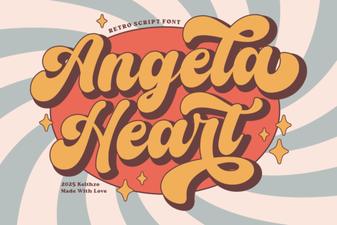 Angela Heart Font for Beautiful Crafting Projects
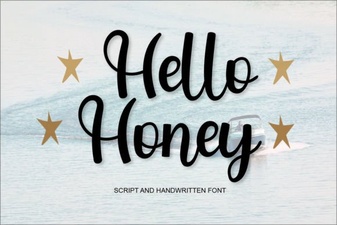 Hello Honey Font: Creative Projects and Uses
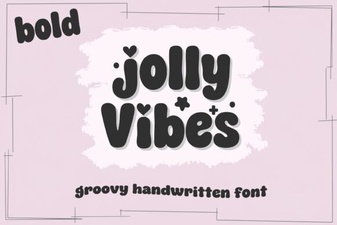 Design with Jolly Vibes Bold Font Creativity
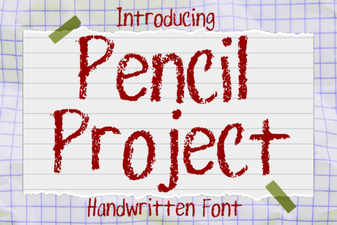 Unlock Creativity with Pencil Project Fonts
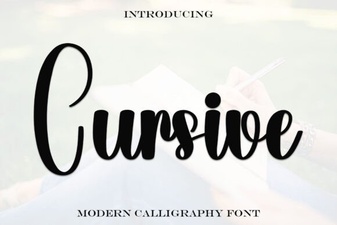 Creative Elegance: Using Cursive Fonts in Design
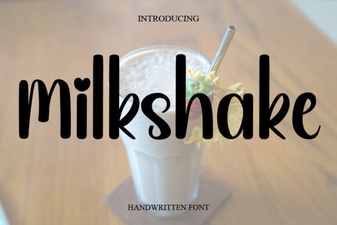 Designing with the Friendly Milkshake Font