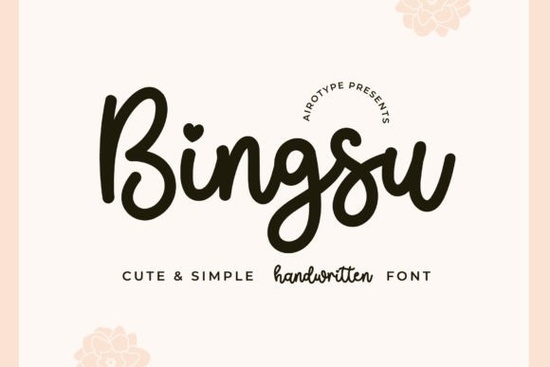
If you need a reliable handwritten script that balances bold visibility with a relaxed feel, Bingsu Font fits directly into everyday creative workflows. It delivers a clean, hand-drawn aesthetic without excessive flourishes, making it highly practical for makers who require readable lettering across multiple formats. The strokes remain thick and slightly organic, giving an authentic marker-on-paper appearance while still scaling cleanly for both small accents and large display text.
How does a bouncy script perform in real crafting projects?
The defining feature here is a steady visual rhythm. Each character carries a light bounce that reads as playful rather than messy. When applied to cards or packaging, the spacing naturally leaves room for short messages. Crafters appreciate how the weight holds up during heat transfer and vinyl cutting. For custom stickers or sublimation items, the thicker baseline prevents fine details from breaking during production runs.
Many designers pair this kind of lettering with clean sans-serifs to create immediate contrast. Working with a coordinated typography set like balanced duo pairings can help you establish a consistent look across your shop listings. The goal is to let the script handle the emotional tone while neutral typefaces carry practical details.
Which commercial formats actually benefit from this lettering style?
Print-on-demand sellers often struggle with intricate scripts that fade on dark backgrounds. This style avoids that by keeping open counters and stable proportions. It works reliably on apparel, tote bags, and mug wraps where contrast matters. Small shops also use it for banners and seasonal campaigns.
When building a design library, mixing different script styles prevents creative bottlenecks. Keep a classic signature collection for formal branding while using bolder options for casual marketing. The same logic applies to nostalgic layout themes that need a friendly touch without looking outdated.
Are there technical steps to verify before commercial printing?
Aesthetics only solve half the problem. File readiness determines whether artwork survives commercial printing. Standard OTF and TTF files install directly into common operating systems, while SVG paths work with digital cutting machines. Always test layouts at actual size before finalizing. Convert text to outlines first to prevent substitution errors on different machines.
For a clear overview of typography licensing and usage rights, you can reference Bingsu Font best practices from independent type educators. Understanding personal versus commercial terms helps you avoid accidental compliance issues when listing physical goods or digital templates.
How do you pair casual typefaces without cluttering the layout?
Rule one: let the script breathe. Handwritten lettering needs generous negative space. Add clear padding around sticker edges and keep line spacing readable. Avoid stacking multiple bold scripts together. Use a simple geometric sans-serif for care instructions or pricing so the main typeface stays the focal point.
You can also mix weights from complementary families to establish hierarchy. A sketch-style accent works well for secondary notes, while a strong display header handles main titles. Keep the bouncy script as your visual center and let supporting elements stay quiet. Balance comes from restraint, not complexity.
What should you verify before adding this to your next product batch?
Before launching new mockups or sending files to a printer, run through a quick quality check. Test readability at both thumbnail and full size, verify contrast against your chosen background colors, and confirm your software renders curves accurately after installation. Small adjustments in tracking often fix alignment issues before they become production delays.
Use this quick checklist to keep your workflow organized:
- Install both OTF and TTF versions to cover all design platforms.
- Create a test print at actual dimensions before approving final artwork.
- Convert text to paths before sending files to external print shops.
- Pair with one neutral sans-serif to maintain clean visual hierarchy.
- Save layered working files and export flattened print-ready copies separately.
- Review licensing terms for physical goods, digital products, and POD platforms.
Taking these steps saves time during production and ensures every label, shirt, or sticker matches your quality standards. Start with a single test item, adjust spacing to fit your brand guidelines, and roll out the design across your catalog once the proofs look sharp.
Get Started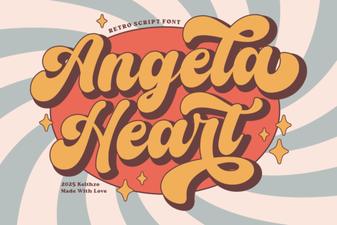 Angela Heart Font for Beautiful Crafting Projects
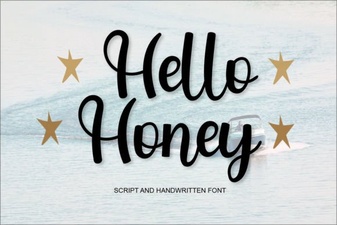 Hello Honey Font: Creative Projects and Uses
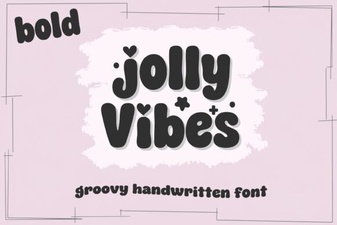 Design with Jolly Vibes Bold Font Creativity
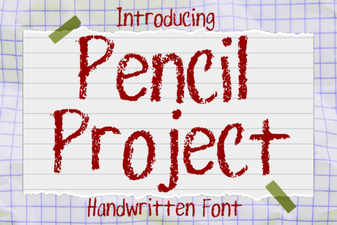 Unlock Creativity with Pencil Project Fonts
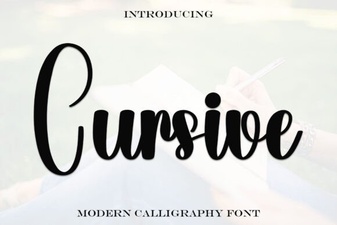 Creative Elegance: Using Cursive Fonts in Design
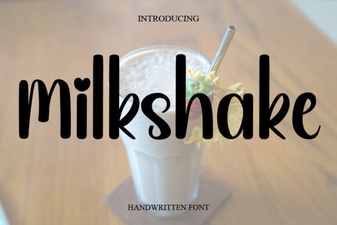 Designing with the Friendly Milkshake Font