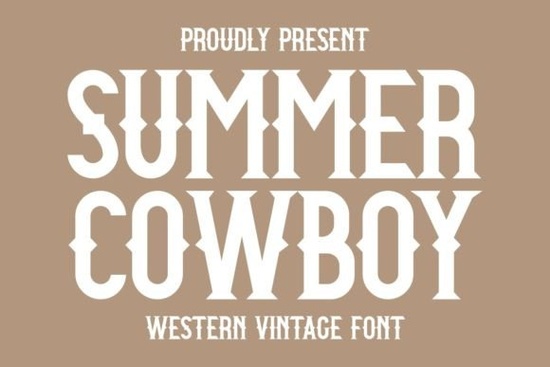
When you need a typeface that instantly communicates rustic charm and vintage western energy, choosing the right display font matters more than chasing trending effects. Summer Cowboy Font gives you that thick, sturdy slab serif look without the heavy ornamentation that often clutters a layout. It works especially well when you want lettering to stand out on physical products or large-format prints, because its bold strokes hold up clearly even from a distance. Designers and print-on-demand sellers frequently reach for this style when they need to balance nostalgia with clean readability. If you are building a brand identity that leans into heritage aesthetics, this kind of typography sets a grounded, approachable tone from the very first glance.
What kind of designs actually benefit from this western slab serif style?
Bold display typefaces like this one thrive on physical media where viewers interact with the piece up close or from several feet away. You will notice how quickly a layout changes when you swap a standard heading for something with heavier weight and distinct character shapes. Vintage western designs often rely on strong contrast and tight spacing to create that authentic, hand-stamped feel. Whether you are mocking up a café menu board or laying out a seasonal sale poster, the thick vertical stems and subtle curves keep the text legible without sacrificing style. I usually test the lettering at both twenty-five percent and one hundred percent scale before committing to a final proof, since screen rendering differs from fabric and ceramic printing. If you are exploring similar heavy display options for seasonal campaigns, browsing a curated collection of retro block typefaces can help you compare weights and see how different proportions react to your background colors.
How do you pair bold western lettering without making a page feel crowded?
The biggest mistake with heavy type is stacking it against equally loud elements until the composition competes for attention. Let the heading speak for itself and keep supporting text quiet. A clean geometric sans serif creates enough contrast to guide the eye. Pay attention to leading and tracking adding two to four percent letter spacing improves readability on curved surfaces or textured paper. You rarely need extra shadows to make letters pop if you choose a high-contrast background. Leaving negative space around the headline makes designs feel more premium. Many sellers skip this spacing step, but it separates amateur layouts from professional banners. Pairing a sturdy display face with a reliable secondary font ensures your seasonal campaign assets stay cohesive across social posts, packaging labels, and tags.
What licensing and print details should crafters verify before selling merchandise?
Commercial rules vary by sales channel, so reading the license terms is necessary. Most platforms allow print-on-demand sales and physical inventory, but restrict sharing the actual font file. If you plan to sell mugs, canvas totes, or embroidered patches, verify your agreement covers physical goods. Always save a purchase receipt and current terms page in your project folder. I recommend exporting final artwork as flattened PDFs before handing files to a printer, which protects the typography. When reviewing guidelines for your specific product line, visit the Summer Cowboy Font page directly. Remember that trademarked brand names require separate clearance, so focus on original layouts and avoid copyrighted logos.
Quick checklist before sending your design to print
- Export at 300 DPI with CMYK color mode if printing on paper, packaging, or large posters.
- Convert text to paths only after keeping one editable layer saved separately.
- Run a test print on the exact material you plan to use, especially for tote bags or mugs where color shifts occur.
- Check spacing on curved surfaces by printing a small wrap-around label first.
- Confirm your commercial license covers the number of physical units you expect to sell.
- Keep all project files, receipts, and license documentation organized in a single cloud folder for quick audits.
Take these steps during your mockup phase rather than waiting until after production. A quick pre-flight review saves hours of reprints and keeps your margins intact. Start with a single product mockup, test it under natural lighting, and adjust contrast before scaling the design across your entire catalog.
Explore Design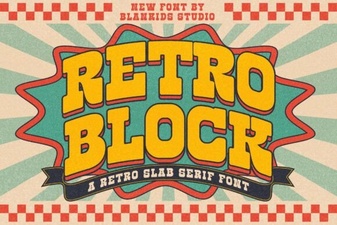 Embracing Classic Design with Retro Block Fonts
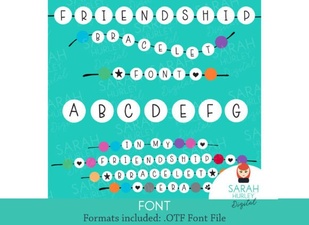 Free Friendship Bracelet Font for Craft Designs
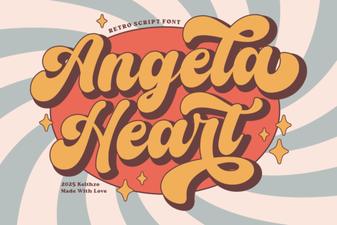 Angela Heart Font for Beautiful Crafting Projects
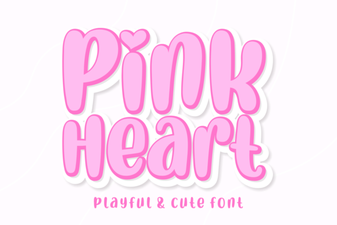 Pink Heart Font Ideas for Creative Design Projects
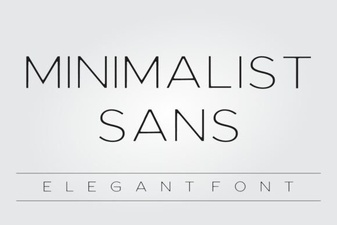 Clean Lines & Modern Projects: the Minimalist Sans Font Guide
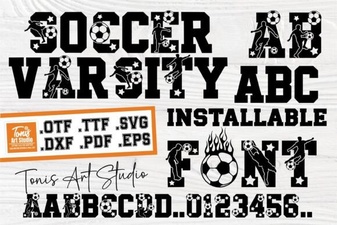 Ab Soccer Varsity Font for Sports Branding