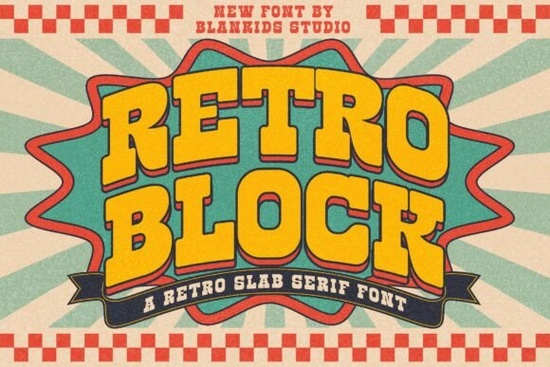
If you are building a vintage-inspired brand or adding a nostalgic touch to a new product line, Retro Block Font gives you a reliable slab serif option that stays legible at different sizes. Every character carries a playful mid-century feel without sacrificing clean edges. It works well for shop owners, print-on-demand creators, designers, and hobbyists who want packaging, posters, and digital watermarks to look polished without hiring a custom lettering artist.
What makes a retro slab serif work well for branding?
Thick stems and uniform letterforms create strong visual impact on storefront signs, product labels, and social graphics. The consistent spacing helps you align text quickly in Canva, Procreate, or Illustrator. Because the letters sit on a sturdy geometric base, you can scale them up for banners or shrink them for packaging tags without losing vintage charm. Many small business owners choose this style for bold logotypes that feel approachable and slightly nostalgic. If you are exploring other display options, you might compare how a vintage western typeface stacks up against more rounded alternatives for your specific audience.
How can crafters and POD sellers use retro typography?
Print-on-demand shops need clear text that prints cleanly on fabric and paper. Slab serifs hold their shape well during the printing process, which reduces blurred edges on t-shirts, mugs, and tote bags. You can apply this style to several everyday projects:
- Product packaging labels for candles, soaps, and handmade goods
- Event posters and market flyers requiring a bold headline
- Branded watermarks for protecting digital mockups and portfolio pieces
- Merchandise tags that match a heritage or classic aesthetic
Layering the text over muted palettes like mustard, olive, or faded denim makes the letterforms stand out. You can also pair it with a clean sans-serif for secondary details to keep care instructions readable. If you need spacing adjustments for larger promotional banners, the file structure allows quick tracking changes. Visit the official page to verify which weights, ligatures, and alternate glyphs are included in your download.
What should I check before using this font commercially?
Licensing terms vary across platforms, so review the commercial guidelines before adding text to sellable products. Most standard licenses allow physical goods, digital templates, and marketing use, but they rarely permit reselling the font file itself. Verify the exact permissions for your specific business model. You can also browse Retro Block to confirm current file formats and full character coverage. Checking supported glyphs early prevents surprises when you need special punctuation or accent marks for multilingual packaging.
What is the best way to test it before finalizing?
Type your main headline at a large size, then check spacing across different scales. Zoom in to verify that curves and straight edges balance evenly. Reduce the text to the smallest dimension you plan to print, such as a care label or Instagram caption. If letters feel too heavy, increase tracking slightly or adjust line height. Testing on light and dark backgrounds reveals contrast issues before files reach the printer. Keep a mockup file ready so you can swap headlines while comparing visual weight against product photos.
Quick next step: Open your design software, drop in a sample headline, and print a small test strip. Check legibility, ink coverage, and alignment before full production. Save your spacing settings as a reusable paragraph style so you can maintain consistency across product listings, social posts, and promotional banners without starting from scratch.
Get Started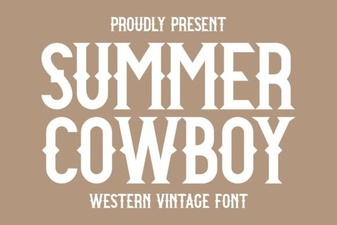 Western Fonts for Summer Design Projects
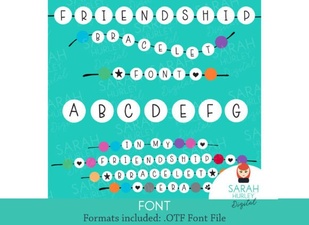 Free Friendship Bracelet Font for Craft Designs
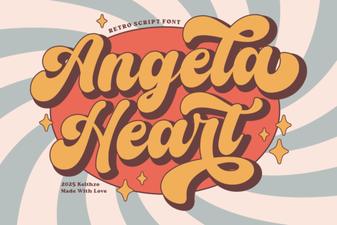 Angela Heart Font for Beautiful Crafting Projects
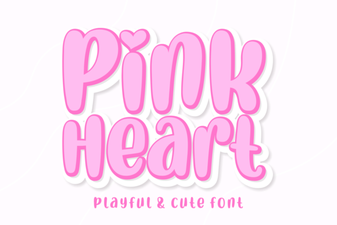 Pink Heart Font Ideas for Creative Design Projects
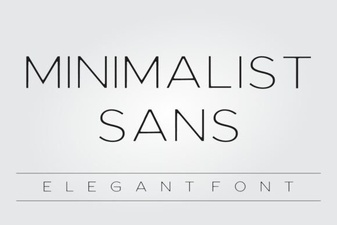 Clean Lines & Modern Projects: the Minimalist Sans Font Guide
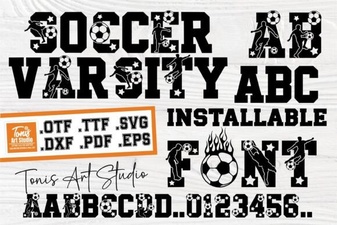 Ab Soccer Varsity Font for Sports Branding