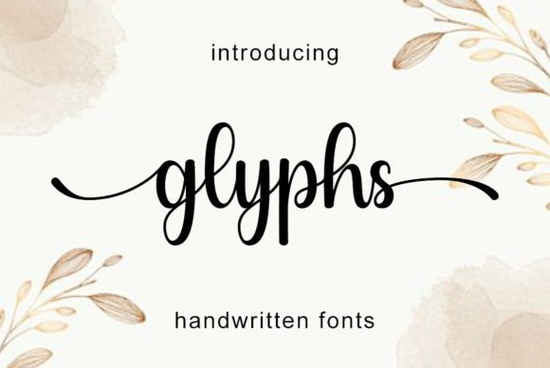
When you need a handwritten touch that feels personal but still polished, finding the right typeface can make or break your project. The Glyphs Font gives you exactly that balance. It pairs flowing script strokes with clean, readable letterforms, which makes it a reliable choice for everything from printable wedding suites to small business branding. Instead of forcing overly decorative scripts into places they do not belong, this typeface stays elegant while keeping your text legible.
When does a handwritten script actually improve a design?
Many crafters and POD sellers assume that script typefaces should only sit at the very top of a layout. In practice, a well-balanced handwritten font works best when it shares space with simpler sans serif or slab options. You can use it for accent headings, signature lines, or short quotes that need visual weight without overwhelming the reader. Because the strokes connect naturally, your eye follows the text smoothly. This makes it ideal for thank you cards, greeting notes, and boutique packaging where a personal note adds real value to the product.
If you are building a full identity suite, pairing this script with a sturdy secondary font prevents visual clutter. Designers often look for type families that match in x-height or stroke contrast. You can explore options like a playful bold script for headers, or try a romantic swash style when your project needs softer curves. Both pair well with the steady rhythm of Glyphs when placed carefully on your canvas.
How does PUA encoding change the way you work?
PUA encoding simply means the special characters, swashes, and alternate letters live in the Private Use Area of your system. Instead of hunting through complex OpenType panels, you can pull those extras directly from the character map. For wedding invitation suites or custom quote prints, this saves hours of trial and error. You just pick the swash you want, drop it in, and adjust the kerning until it sits perfectly. The feature keeps your workflow smooth, especially when you are handling tight deadlines or batch-producing templates for Etsy or Shopify.
When you need variety for mockups or layered compositions, stacking two complementary scripts rarely works unless they contrast in weight. A clean base script like a minimalist everyday style often handles body text or smaller labels better, while a heavier option like the one found in the curated signature collection works nicely for logos or monograms. Keep your layout airy and let each font carry a single job.
Which projects actually benefit from this typeface?
Print-on-demand sellers use it to turn blank mugs and tote bags into giftable items with minimal design effort. Small business owners add it to loyalty cards, storefront signage, and social media graphics to keep their brand voice approachable. Crafters rely on it for layered vinyl cuts and heat transfer designs because the strokes are thick enough to cut cleanly without losing detail. Even if you are new to typography, sticking to short phrases and generous line spacing will keep your layouts looking professional.
Before installing any new typeface, it helps to preview it at different sizes and weights. You can review the official Glyphs Font page to check character sets, read the included license notes, and confirm commercial use terms for your specific business model.
What should you watch out for when scaling the font?
Handwritten styles can lose clarity if you shrink them too far. Aim for a minimum of 14 to 16 points on web layouts and at least 0.5 inches for print pieces. If you are working with light backgrounds, use a solid dark color rather than relying on drop shadows to create contrast. Test your file on a phone screen and in actual print before sending it to customers. A quick proofread saves refunds and keeps your shop rating steady.
For seasonal promotions or holiday campaigns, a slightly rounded alternative like a soft retro script can add warmth without changing your core brand palette. Rotate your accents carefully so your audience recognizes your main voice first, then uses seasonal touches as a pleasant surprise.
How do you set yourself up for a smooth launch?
Keep these quick steps in mind before exporting your final files:
- Set your document to 300 DPI for any physical prints or product mockups.
- Convert your text to outlines before sending to a printer to avoid missing font errors.
- Check your license agreement for restrictions on POD platforms and digital templates.
- Use tracking and line height to give swashes breathing room instead of forcing them into tight corners.
- Save a master layer file with editable text, then export flattened versions for web and preview.
Start with one project, test your spacing, and let the natural flow of the letters guide your layout. When you keep your margins clean and your hierarchy clear, the handwritten style does the rest of the work for you.
Try It Free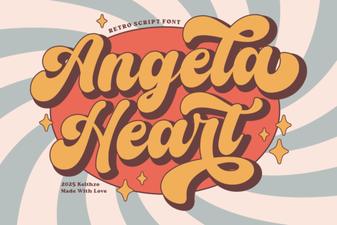 Angela Heart Font for Beautiful Crafting Projects
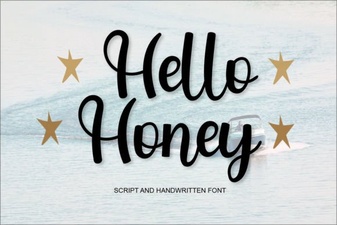 Hello Honey Font: Creative Projects and Uses
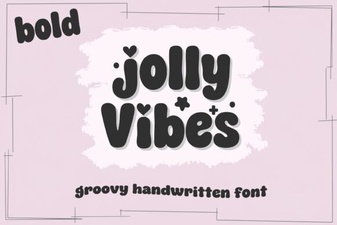 Design with Jolly Vibes Bold Font Creativity
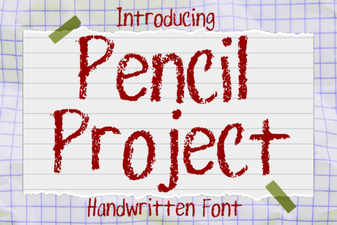 Unlock Creativity with Pencil Project Fonts
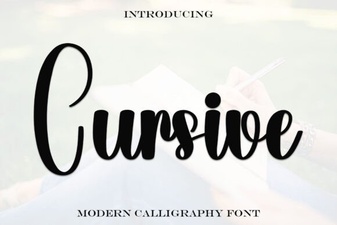 Creative Elegance: Using Cursive Fonts in Design
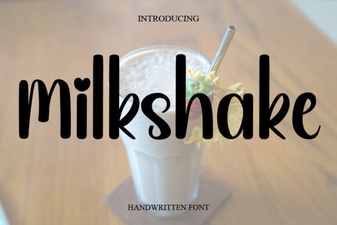 Designing with the Friendly Milkshake Font