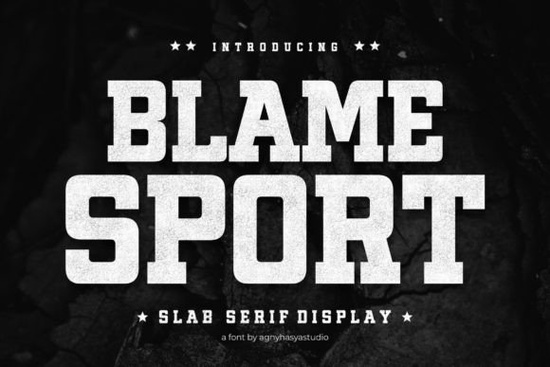
Blame Sport Font is a contemporary athletic slab serif typeface designed to bring energy and raw movement into visual projects. Whether you are designing team jerseys, gym apparel, event posters, or streetwear mockups, this font gives your layouts a bold, competitive edge right from the start. It captures the feel of American football, tennis, boxing, and modern fitness culture while keeping letterforms clean and highly legible. If you work with print-on-demand shops or need a reliable display typeface for merchandising, this file saves hours of layout adjustments.
What makes this typeface different from standard sports fonts?
Many athletic typefaces rely on heavy block letters that look stiff or dated on modern layouts. This family uses a refined slab serif structure that keeps the thick, confident strokes you need for impact, but adds subtle curves and spacing that read well at different sizes. The typeface balances the gritty texture of street culture with the polished look required for professional branding. Designers appreciate how the characters maintain consistency across uppercase and lowercase sets, which means you can mix title treatments with smaller body text without losing harmony. If you often work on collegiate or team-based merchandise, pairing this style with similar athletic display fonts like the AB Soccer Varsity collection can help you build cohesive seasonal campaigns.
How can small businesses and creators use it effectively?
The versatility extends well beyond traditional sports branding. Crafters use it for vinyl decals, while small business owners apply it to storefront signage and event flyers. Print-on-demand sellers benefit from clean outlines that cut smoothly in vector software and hold up under direct-to-garment printing. You can drop it into apparel mockups, social banners, or podcast thumbnails. For group campaigns or fitness promotions, combining it with rounded team-style lettering such as the Squad Font Display series helps balance bold headlines with approachable subtext. When designing for youth leagues, softening a heavy sports headline with playful decorative type like the Pink Heart Font Display collection adds friendly contrast.
Which design techniques prevent heavy lettering from looking cluttered?
Athletic display typefaces can overwhelm a layout if every element competes for attention. Keep hierarchy clear by reserving boldest weights for main headlines and using lighter tracking for secondary lines. Leave generous margins so the thick serifs breathe. On busy backgrounds, use a subtle shape overlay behind text instead of muddy outlines. Streetwear brands often layer athletic slab serifs with industrial typography like the Urban Gear Font Display options to reinforce a raw aesthetic without clutter. Custom merchandise also benefits from mixing primary lettering with heritage marks, which is why sellers pair this font with classic styles like the Varsity Monogram Font Display series for crest combinations.
What file formats and workflow steps save time during production?
Most creators download display typefaces in OTF or TTF formats because they scale smoothly across design programs. Install the font at the system level first to avoid missing characters. Before committing to a full print run, test kerning on actual merchandise dimensions, because monitor spacing can shift slightly on curved surfaces. Keep a vector copy of your text layer to adjust spacing or convert to outlines before final export. This prevents file errors when sending work to print partners. For a deeper look at standard typography spacing rules, you can review foundational guides from the Blame Sport Font resource center.
What is a reliable pre-publish checklist for sport typography?
- Verify all commercial licensing terms before using the typeface on physical goods.
- Test legibility at 50% scale to ensure the bold strokes do not bleed together.
- Convert text to paths or outlines only after final spacing approvals.
- Export a 300 DPI PNG for mockups and an SVG or PDF for print vendors.
- Compare your final layout against the live preview to catch unexpected line breaks.
Start with a simple headline placement on your mockup canvas, adjust the tracking until the word shapes feel balanced, and run a small test print before scaling up your inventory. This method keeps your workflow steady and ensures every design looks sharp across all product types.
Get Started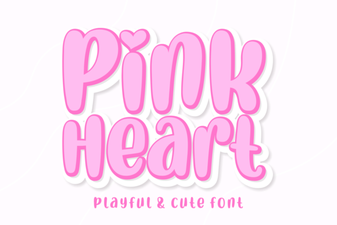 Pink Heart Font Ideas for Creative Design Projects
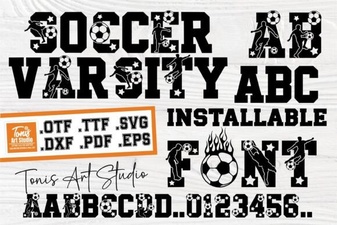 Ab Soccer Varsity Font for Sports Branding
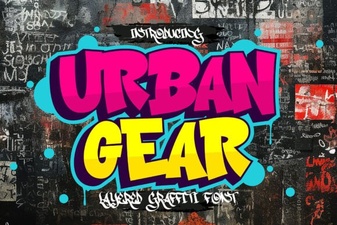 Urban Gear Font: Streetwear Typography & Graphic Design
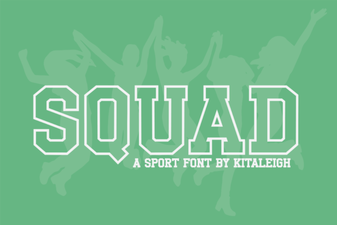 Squad Font: Modern Digital Design Typography
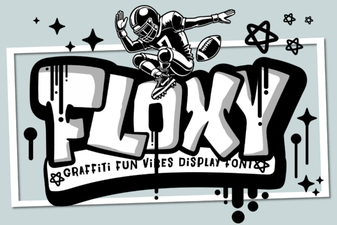 The Floxy Font: Modern Typography for Creative Designs
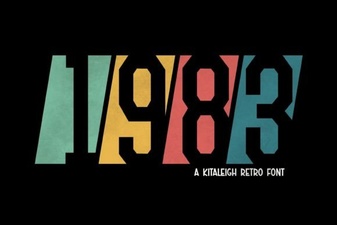 Font: Creative Design Ideas and Applications