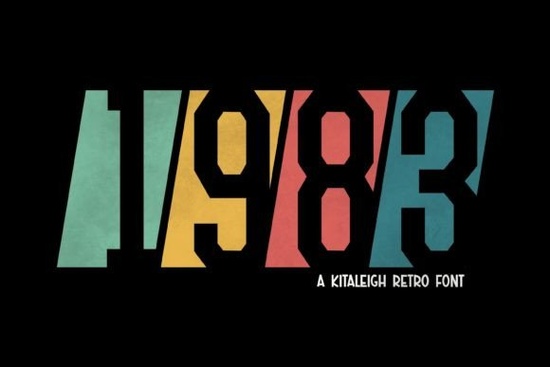
If you have ever tried to recreate that distinct late-twentieth-century aesthetic for a new project, you probably know how tricky it can be to find typography that feels authentic without looking dated. The 1983 font solves this by offering a tilted, boxed letterform that captures the exact energy of that era. It works especially well for designers, crafters, and small business owners who want to build brand assets or print materials with genuine vintage character. Rather than relying on heavy filters, you can lean on the letter shapes themselves to communicate nostalgia.
What makes this tilted display typeface stand out for modern layouts?
The core appeal lies in its structural choices. Each character is angled slightly and enclosed in a solid geometric shell, which immediately catches the eye without overwhelming a design. This approach works beautifully when you need a headline that feels loud but remains highly legible. When you are building posters or packaging for local events, that retro touch naturally draws attention on both digital screens and physical prints. You can also pair it with simpler sans serifs to create clear visual hierarchy, making sure your main message never gets lost. If you are exploring similar styles, browsing bold streetwear typography might give you extra ideas for how heavy shapes interact with modern branding.
Print-on-demand sellers often search for graphics that translate well across different products. Because this typeface relies on clean outlines and consistent spacing, it prints sharply on cotton tees, ceramic mugs, and vinyl stickers. The angled structure gives your mockups a dynamic forward motion, which helps casual items feel more intentional. Small shop owners can easily layer these letters over faded background gradients or halftone patterns. When your workflow requires quick turnaround times, having a reliable display typeface on hand saves hours of custom lettering work.
How do crafters and hobbyists apply it to personal projects?
Handmade businesses thrive on distinctive branding, and typography plays a massive role in how customers perceive your shop. This font shines in die-cut sticker designs, custom greeting cards, and planner covers where bold shapes need to hold up at smaller sizes. You can experiment with color blocking inside the letter boxes to match seasonal palettes or brand guidelines. For school spirit merchandise, combining the main type with classic athletic lettering options creates a cohesive vintage sports look. Hobbyists who enjoy digital scrapbooking will also find that the boxed structure aligns perfectly with polaroid frames and retro paper textures.
When setting up your files for cutting machines or home printers, keep a few technical details in mind:
- Track spacing carefully: Tilted letters sometimes feel tighter at the edges, so add slight kerning to keep words readable.
- Use solid fills: The design reads best with flat colors, avoiding overly complex gradients inside the letter shells.
- Maintain scale: Keep headlines large enough so the tilt remains visible, then switch to a clean body font for longer text.
Which complementary styles help balance heavy retro type?
Heavy geometric display fonts need breathing room. Pairing them with softer scripts or streamlined modern sans serifs prevents your layout from feeling cluttered. If you want to mix vintage and contemporary elements, try pairing this typeface with clean collegiate layouts that emphasize negative space and balanced margins. For projects that require a quick switch in tone, comparing it with flowing script alternatives allows you to test different moods without starting from scratch. The goal is always contrast: let one font carry the visual weight while the other handles readability. Once you finish your draft, reviewing the original retro style helps confirm your tracking and color choices align with the era.
Next steps to start using this typography today
Before exporting your first mockup, run through this quick workflow checklist:
- Verify your software recognizes the font files and displays all character sets correctly.
- Test your headline at fifty percent scale to ensure legibility before finalizing the design.
- Apply a simple two-tone color scheme to match the vintage theme without overcomplicating the layout.
- Export separate PNG files for web previews and print-ready PDFs for manufacturing.
- Save a flat copy and a layered source file for future brand updates.
Adjust your spacing based on real customer feedback, and keep experimenting with layout balance to find the rhythm that fits your specific audience.
Explore Design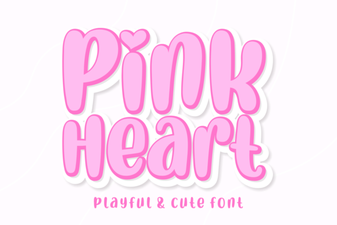 Pink Heart Font Ideas for Creative Design Projects
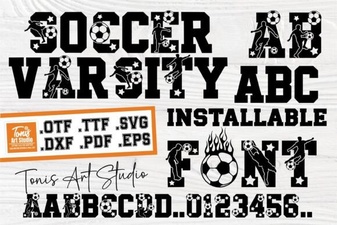 Ab Soccer Varsity Font for Sports Branding
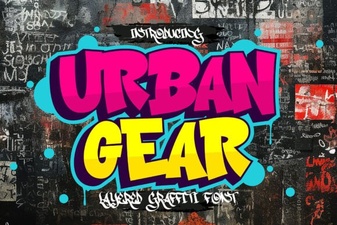 Urban Gear Font: Streetwear Typography & Graphic Design
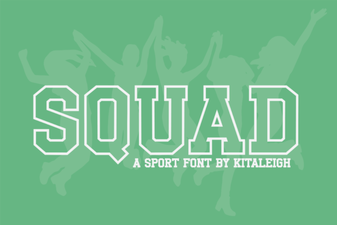 Squad Font: Modern Digital Design Typography
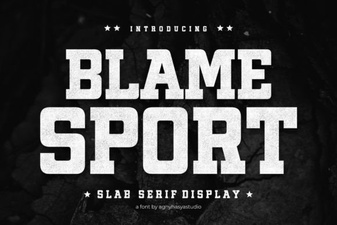 Blame Sport Font for Design Projects
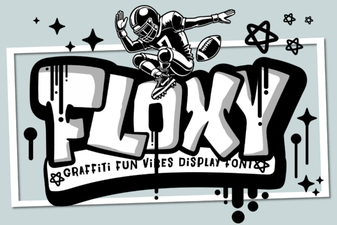 The Floxy Font: Modern Typography for Creative Designs