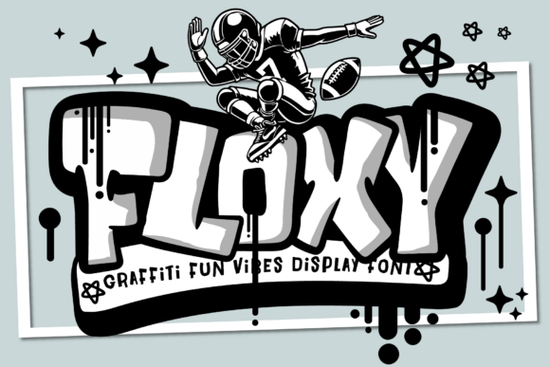
The Floxy Font: Modern Typography for Creative Designs
When you need a typeface that captures attention without feeling rigid, Floxy Font delivers that exact street-level energy. It blends loose, hand-drawn strokes with the raw structure of classic graffiti tagging, making it a practical choice for designers who want movement in their layouts. The uneven baseline and expressive line weights help text feel painted rather than digitally placed. This natural rhythm keeps compositions engaging while maintaining readability across different screen sizes. Small business owners and hobbyists often choose this approach when they want their digital posts or physical products to feel casual, creative, and highly approachable.
What kind of projects actually benefit from this layout style?
Street typography works best when you want to communicate youthfulness or casual confidence. You will see it perform reliably on event posters, youth-focused branding, and creative packaging. If you sell custom apparel or handmade stickers, pairing bold lettering with simple geometric backgrounds creates an immediate visual anchor. The thick-to-thin variation allows text to stand out without heavy artificial outlines or complex layer styles. Many creators also apply this look to classroom materials and zine covers because it completely avoids a sterile, corporate aesthetic. When audiences skim content quickly, the textured edges of hand-drawn tags naturally slow their reading pace just enough to actually absorb your message.
If you are building a product line, compare how this casual style works alongside more traditional athletic lettering options. Both approaches bring energy to a page, but one leans heavily into playful movement. Balancing a rough, expressive look with cleaner collegiate branding elements prevents your overall design from feeling cluttered. Always reserve this typeface for headlines or short accent lines, and pair it with a highly readable sans-serif for any longer paragraph text.
How do I pair street lettering with other design elements?
Successful layouts treat typography like a physical surface rather than a flat digital overlay. Start with a restricted color palette that matches your intended mood. High-contrast combinations, like dark charcoal text on pale gray or off-white, mimic real wall art without overwhelming the viewer. Softer pastel backgrounds create a kid-friendly aesthetic while still carrying that urban edge. Adding subtle paper grain or light halftone textures reinforces the handmade vibe while keeping the visual hierarchy intact.
Experiment with tracking and kerning to see how the font interacts with your background shapes. Tighter spacing often works well for compact poster titles, while slightly expanded spacing fits longer sports-inspired typography banners. When working with nostalgic marketing campaigns, placing these rough letterforms next to vintage retro designs helps anchor the specific era you want to reference. The natural tension between organic strokes and structured layouts guides attention exactly where you need it.
Always verify how the glyphs render at different scales before sending files to production. Large formats highlight every brush curve, while smaller tags or labels require careful sizing. If certain character pairs overlap or create awkward gaps, adjust the tracking manually instead of relying on automated spacing defaults.
Where does this typeface fit in a print-on-demand workflow?
Independent sellers depend on clean lettering that transfers consistently across different printing methods. Since the stroke widths remain bold and steady, this style holds up exceptionally well on cotton shirts, canvas totes, and ceramic surfaces. Working with vector files allows you to scale artwork for screen printing, vinyl cutting, or digital heat presses without losing edge definition. Always convert your text to outlines or paths before uploading to fulfillment platforms, which locks the exact shapes in place and prevents system substitution errors.
Commercial licensing remains a critical detail to verify before listing products online. Review the specific usage terms to confirm what is permitted for physical merchandise and marketplace distribution. Keep your source files clearly labeled, and save production-ready mockups in a dedicated folder. You can also explore similar display options by searching for Floxy Font on the main marketplace to compare available weights, language support, and alternate characters before finalizing a seasonal campaign.
Next steps for file preparation and launch
Use the display type exclusively for headlines and limit supporting text to one clean font.
Verify contrast by testing your artwork on both light and dark digital backgrounds.
Manually adjust spacing for any character pairs that appear too tight or uneven.
Convert all text to vector paths before exporting final print-ready files.
Store your commercial license PDF directly alongside your source artwork for quick reference.
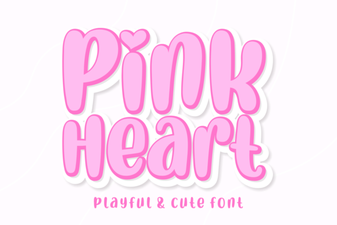 Pink Heart Font Ideas for Creative Design Projects
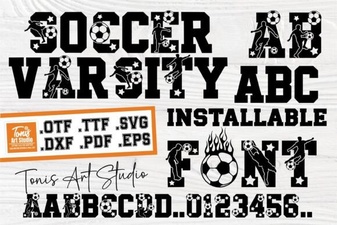 Ab Soccer Varsity Font for Sports Branding
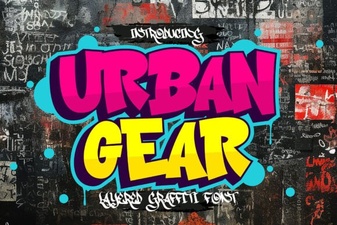 Urban Gear Font: Streetwear Typography & Graphic Design
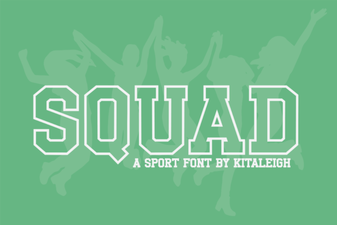 Squad Font: Modern Digital Design Typography
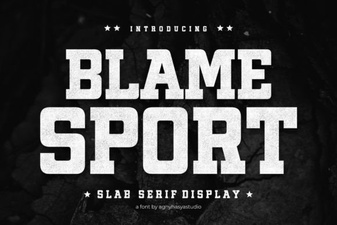 Blame Sport Font for Design Projects
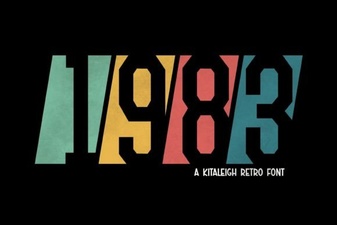 Font: Creative Design Ideas and Applications