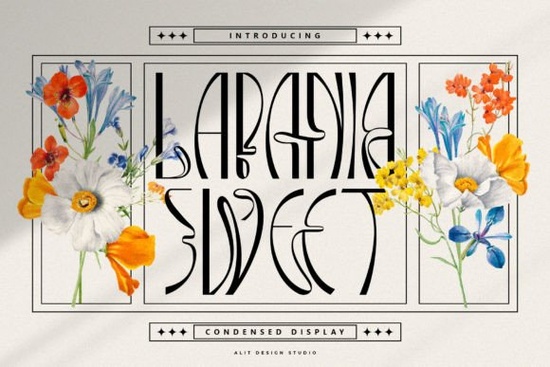
When you need a typeface that balances clean readability with soft, organic curves, Lapania Sweet Font fills that gap. Many modern sans serifs feel too rigid, but this one brings a relaxed, bohemian rhythm to headlines, packaging, and digital graphics. Whether you run a small print-on-demand shop, design wedding stationery, or craft social posts for local brands, you will notice how the flowing terminals keep text legible while adding distinct personality. It is built to work across screens and paper without losing its gentle character.
What makes this typeface different from standard sans serifs?
Most clean sans serifs stick to straight edges and uniform weight. This family takes a different approach by weaving ribbon-like sweeps into the baseline and crossbars. These subtle shifts create a sense of movement that catches the eye without distracting from the message. The bohemian influence shows through in how each glyph feels hand-tuned rather than mechanically generated. You still get the clarity of a modern type family, but the alternative curves add warmth that works well for lifestyle brands and editorial layouts.
Which creative projects work best with these letterforms?
If you design for small businesses or hobby markets, the right typography simplifies your workflow. This font handles short-form copy beautifully, making it reliable for branding and logos where memorability matters. Crafters often use it on totes, mugs, and apparel mockups because clean shapes translate well to direct-to-garment printing. For wedding invitations or seasonal social graphics, the flowing edges pair smoothly with minimalist line art. When you need a more structured alternative for body text, exploring a minimalist sans option helps maintain visual hierarchy without competing with your headline.
How do you pair it with other typography without cluttering the layout?
Type pairing works best when the headline speaks first and supporting text stays quiet. This family leans into modern boho aesthetics, sitting comfortably alongside neutral serifs or lightweight monospaces. Keep line spacing open so curved terminals breathe. Place text over muted backgrounds during product photography to keep fluid letterforms sharp. If you want to test contrasting styles, browsing a western-inspired typeface shows how thematic choices shift layout mood. Limit your design to two families and let margins guide the eye.
What file formats and licensing terms should you check?
Commercial projects need clear permissions and stable files. This typeface includes OTF and TTF formats for Adobe, Canva, and cutting machines. Match your project scope to the correct license tier before selling. Standard plans cover small-batch prints and personal branding. Large merchandise runs require commercial upgrades. Always convert text to outlines before commercial printing to avoid missing glyphs. Check the product details page for current installation notes and license updates.
Where can you find practical examples for your next campaign?
If you are exploring how other creators apply modern curves to commercial work, reviewing Lapania Sweet Font offers real-world mockups, pairing suggestions, and file organization tips shared by working designers.
Quick steps to get the most out of your typography files
- Install both OTF and TTF versions before opening design software to prevent cache conflicts.
- Test headline sizes at 24pt, 36pt, and 48pt on light and dark backgrounds to verify curve readability.
- Save paragraph styles as templates to keep tracking and line height consistent across new projects.
- Convert all text to outlines before exporting print-ready files or sending designs to vinyl cutters.
- Back up your final layout as a flattened PDF to protect against accidental shifts during client revisions.
Start by placing a short brand name or event title in your workspace, adjust tracking to match your layout grid, and let the natural rhythm of the curves guide your spacing. Once the headline sits comfortably, add neutral body copy, review visual balance, and export. Regular practice with these letterforms will help you build cohesive collections that perform well in competitive marketplaces.
Explore Design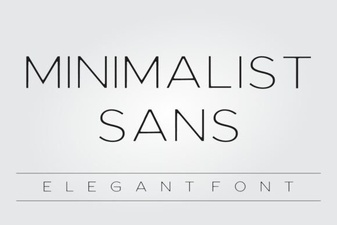 Clean Lines & Modern Projects: the Minimalist Sans Font Guide
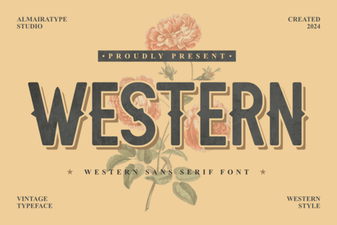 Design Your Project with Classic Western Fonts
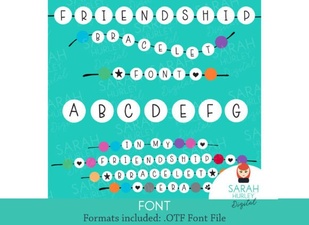 Free Friendship Bracelet Font for Craft Designs
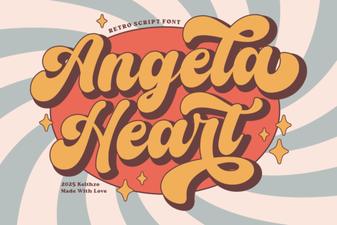 Angela Heart Font for Beautiful Crafting Projects
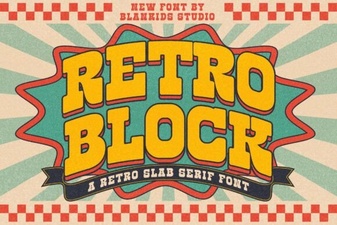 Embracing Classic Design with Retro Block Fonts
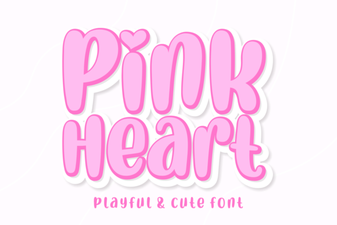 Pink Heart Font Ideas for Creative Design Projects